
 Svenska


Electric actuator
An electric actuator is a device that converts electrical energy into mechanical motion, typically used to control or move a mechanism or system. It is an essential component in various industries, including manufacturing, automotive, aerospace, and robotics, where precise and reliable motion control is required. Electric actuators are favored for their efficiency, accuracy, and ease of integration with modern control systems. Key Components and Working PrincipleThe primary components of an electric actuator include an electric motor, a gearbox, and a lead screw or ball screw mechanism. The electric motor generates rotational motion, which is then transmitted through the gearbox to increase torque or reduce speed, depending on the application. The lead screw or ball screw converts the rotational motion into linear motion, allowing the actuator to extend, retract, or position a load with precision.Electric actuators can be powered by various types of motors, including DC motors, AC motors, and stepper motors. Stepper motors are particularly popular in applications requiring precise positioning, as they allow for incremental movement in defined steps. Additionally, brushless DC motors are often used for their efficiency and durability. Types of Electric ActuatorsElectric actuators come in several types, each suited for specific applications:1. Linear Actuators: These produce straight-line motion and are commonly used in applications such as valve control, lifting mechanisms, and positioning systems.2. Rotary Actuators: These produce rotational motion and are used in applications like valve actuation, robotic arms, and conveyor systems.3. Multi-Axis Actuators: These combine linear and rotary motion, enabling complex movements in advanced automation and robotics. Advantages of Electric ActuatorsElectric actuators offer numerous advantages over other types of actuators, such as hydraulic or pneumatic systems. Some of the key benefits include:- Precision: Electric actuators provide highly accurate positioning, making them ideal for applications requiring fine control.- Energy Efficiency: They consume power only when in operation, reducing energy consumption compared to hydraulic or pneumatic systems, which often require continuous power.- Clean Operation: Unlike hydraulic systems, electric actuators do not require fluids, eliminating the risk of leaks and contamination.- Ease of Integration: They can be easily integrated with modern control systems, including programmable logic controllers (PLCs) and computer-based systems, enabling automation and remote control.- Low Maintenance: Electric actuators have fewer moving parts and require minimal maintenance compared to hydraulic or pneumatic systems. ApplicationsElectric actuators are used in a wide range of applications, including:- Industrial Automation: For controlling machinery, conveyor systems, and robotic arms.- HVAC Systems: For regulating dampers and valves in heating, ventilation, and air conditioning systems.- Medical Equipment: For precise positioning in devices like surgical robots and imaging systems.- Automotive: For applications such as power seats, sunroofs, and throttle control.- Aerospace: For actuating control surfaces and landing gear in aircraft. ConclusionElectric actuators are versatile, efficient, and reliable devices that play a critical role in modern automation and motion control systems. Their ability to provide precise, clean, and energy-efficient motion makes them a preferred choice across various industries. As technology advances, electric actuators are expected to become even more sophisticated, offering enhanced performance and integration capabilities for future applications.
Products
Category:
-
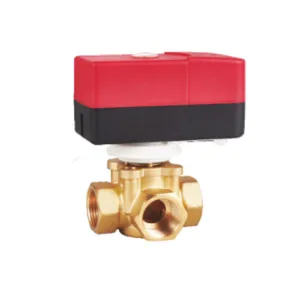
4-Way Diverting Valve
Category: Zone ValvesBrowse number: 481Number:Release time: 2025-06-25 14:15:25164003 -
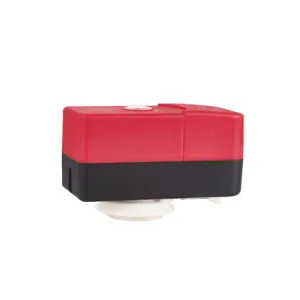
Quick-on/off -electric-actuator
Category: ActuatorsBrowse number: 1184Number:Release time: 2025-06-26 10:54:22Quick-on/off -electric-actuator is a reliable motion control device designed to convert electrical energy into precise mechanical movement for industrial, commercial, and automation applications. It is widely used in valve control, machine automation, HVAC systems, water treatment, packaging equipment, and smart control systems. With stable performance, accurate positioning, and efficient operation, the electric actuator helps improve system automation and reduce manual intervention. It offers easy integration with PLC and remote control systems, making it suitable for modern intelligent equipment. Available in multiple torque, voltage, and control options, the Electric Actuator is an ideal solution for dependable automated motion and process control tasks. -
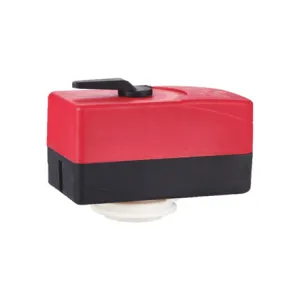
Standard-digital-electric-Actuator
Category: ActuatorsBrowse number: 842Number:Release time: 2025-06-26 11:02:09Standard-digital-electric-Actuator is a reliable motion control device designed to convert electrical energy into precise linear movement for industrial, commercial, and automation applications. It is widely used in valve control, adjustable equipment, medical devices, agricultural machinery, and smart automation systems. With stable performance, accurate positioning, and smooth operation, the linear electric actuator helps improve efficiency and reduce manual labor. Its compact structure allows easy installation in limited spaces, while durable materials ensure long service life under demanding conditions. Available in various stroke lengths, load capacities, and voltage options, the Linear Electric Actuator is an ideal solution for controlled linear motion and automated positioning tasks.
News
Category:
No search results found!
Case
Category:
No search results found!
Video
Category:
No search results found!
Download
Category:
No search results found!
Job
Category:
No search results found!
Featured Products
-
NEWS
4-Way Diverting Valve
Learn more -
NEWS
Quick-on/off -electric-actuator
Learn more



 WhatsApp
 Phone